The Crawl Space Chronicles: Sealing Your Home's Underbelly

Curtis Showvaker • November 7, 2024

Sealing Your Crawl Space: Weighing the Pros and Cons
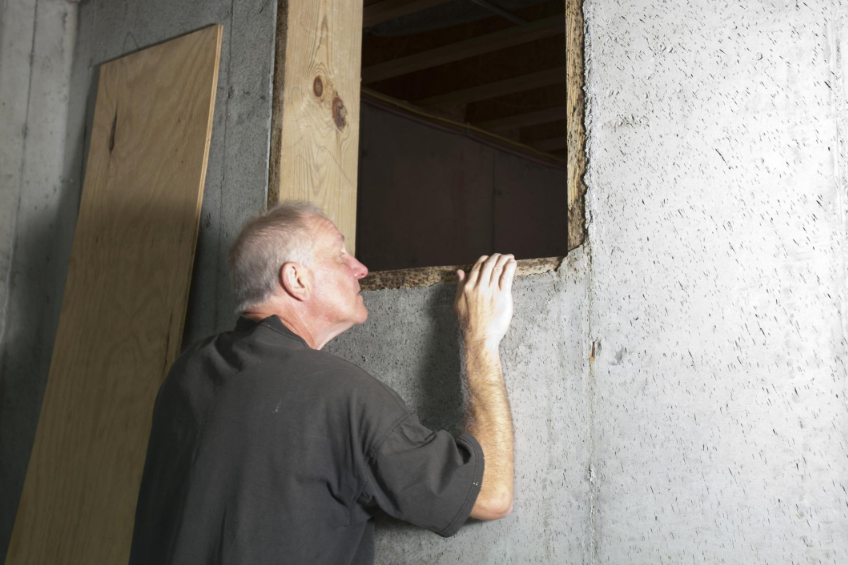
Man stretching up to look into dark crawlspace

When it comes to home improvement, sealing your crawl space is a topic that often sparks debate. This crucial area beneath your home can significantly impact your living environment, energy efficiency, and overall home health. Let's explore the advantages and potential drawbacks of crawl space encapsulation to help you make an informed decision.


The Pros of Sealing Your Crawl Space


Enhanced Moisture Control

One of the primary benefits of crawl space encapsulation is its ability to protect against moisture and mold. By sealing the area, you create a barrier that prevents moisture infiltration, safeguarding your home's structural integrity and preventing mold growth [1]. This is particularly important in humid climates where moisture issues are more prevalent.


Improved Air Quality

A sealed crawl space can significantly enhance the air quality within your home. By preventing the intrusion of mold, mildew, and other pollutants, you create a healthier living environment for you and your family [1]. Remember, up to 40% of the air in your home comes directly from your crawl space, so ensuring this air is clean is crucial [4].


Energy Efficiency

Crawl space encapsulation can lead to noticeable improvements in your home's energy efficiency. By sealing off the crawl space, you prevent outside air from affecting your home's internal temperature, reducing the workload on your HVAC system [1]. This can result in energy savings of up to 18% on heating and cooling costs [4].


Pest Prevention

A properly sealed crawl space acts as a deterrent for pests. By eliminating entry points, you can keep rodents, insects, and other unwanted visitors out of your crawl space and, by extension, your home [1].


Increased Home Value

Encapsulating your crawl space can be an attractive feature for potential buyers, potentially increasing your home's market value [1].


The Cons of Sealing Your Crawl Space


Initial Cost

One of the primary drawbacks of crawl space encapsulation is the upfront cost. Depending on the size of your crawl space and the extent of work required, the cost can range from $1,500 to $15,000 [3]. However, it's important to consider this as an investment that can lead to long-term savings through improved energy efficiency and reduced maintenance costs.


Additional Maintenance

While a sealed crawl space can reduce overall maintenance needs, it does require some ongoing attention. You'll need to periodically inspect the vapor barrier and dehumidifier to ensure they're functioning properly [3].


Potential Loss of Storage

If your crawl space was previously used for storage and doesn't have an access door, sealing it might mean losing this storage space. However, this can be mitigated by adding a well-insulated, airtight door during the encapsulation process [3].


Professional Installation Required

Crawl space encapsulation is not typically a DIY project. It requires professional expertise to ensure proper installation and avoid potential issues down the line [3].


Conclusion

While crawl space encapsulation comes with some challenges, the benefits often outweigh the drawbacks for many homeowners. Improved air quality, enhanced energy efficiency, and protection against moisture and pests are significant advantages that can contribute to a healthier, more comfortable home environment.

Before making a decision, it's crucial to assess your specific situation. Consider factors such as your local climate, the current condition of your crawl space, and your long-term home maintenance goals. Consulting with a professional can provide valuable insights and help you determine if crawl space encapsulation is the right choice for your home.

Remember, a well-maintained crawl space contributes to the overall health and efficiency of your home. Whether you choose to seal your crawl space or not, regular inspections and maintenance are key to preventing issues and ensuring your home remains in top condition.


Citations:

[1] https://www.drcrawlspace.com/crawl-space-encapsulation-pros-cons

[2] https://www.reddit.com/r/HomeImprovement/comments/5jzhok/any_negative_to_sealing_in_a_crawl_space/

[3] https://moistureloc.com/everything-you-need-to-know-about-the-benefits-and-drawbacks-of-crawl-space-encapsulation/

[4] https://crawlspacedoctor.com/(864) 580-8789/should-your-crawl-space-be-ventilated-or-sealed/

[5] https://www.baycrawlspace.com/sealing-a-crawl-space-pros-and-cons/

[6] https://www.jeswork.com/resources/crawl-space-repair/crawl-space-encapsulation-pros-and-cons/

[7] https://www.thefreshaircompanies.com/crawl-space-encapsulation-pros-and-cons/

[8] https://bobistheoilguy.com/forums/threads/home-improvement-pros-and-cons-of-crawl-space-encapsulation.(864) 580-8789/



By Curtis Showvaker December 11, 2025
How Clear Construction Drawings Reduce Stress, Cost, and Delays When homeowners begin the custom home process, the phrase builder-ready plans comes up early. It sounds straightforward, but once construction begins, the true meaning becomes very clear. After drawing on nearly five decades of hands-on construction and residential design experience, I’ve seen how much the quality of the drawings influences cost, scheduling, and overall progress on the jobsite. Builder-ready plans are more than attractive floor plans and a few elevations. They are clear, accurate, and developed with a builder’s mindset. They provide the information your builder and trades need to make decisions, coordinate work, and move forward without unnecessary questions. In short, they reduce surprises in the field and support a smoother project from day one. What Makes a Set of Plans Builder-Ready? A plan becomes builder-ready through careful modeling, consistent detailing, and a full understanding of how the home will actually be built. That clarity starts early. It grows out of solid preliminary design work, steady communication, and a practical look at how the design responds to the site. Homes rarely run into trouble because of the overall concept. They run into trouble because of missing or unclear details. A plan may look polished at first glance, yet still leave the builder with questions as soon as framing begins. Builder-ready drawings aim to answer those questions long before the crew arrives on-site. Why Clear, Accurate Construction Drawings Matter Builders depend on documentation they can trust. That means more than clean drawings. It requires: Alignment between floor plans, elevations, and the way the home will actually be framed Dimensions that are accurate, intentional, and consistent Roof and framing layouts that make sense from a practical building standpoint Clear sections and notes where detail matters most Plans developed with this level of precision help reduce questions from the jobsite, minimize on-site problem solving, and avoid last-minute changes. When everything is clearly defined up front, each trade—from excavation through roofing—can stay aligned and work more efficiently. How Builder-Ready Plans Improve Communication During Construction A significant amount of communication flows through the drawings themselves. When construction documents are clear, the builder can move forward with fewer assumptions. Trades can price materials accurately, coordinate schedules, and understand exactly what is expected. This clarity supports homeowners as well. It makes the process easier to follow, keeps expectations realistic, and provides a more reliable picture of how design decisions translate into real construction. Builder-ready plans create alignment early, long before any concrete or framing takes place. How Clear Plans Protect the Budget Unclear drawings almost always lead to rework. Rework leads to delays, material waste, and added cost. Builder-ready plans help prevent that by identifying issues before they ever reach the jobsite. By drawing on nearly five decades in the field, my focus is to model the home thoroughly, guide decisions with real-world building knowledge, and deliver documentation that supports a smoother construction process. Clear plans cost far less than unclear ones in the long run. A Strong Foundation for a Smoother Custom Home Build Builder-ready plans don’t eliminate every challenge in residential construction, but they establish a stronger foundation for the entire project. They support steady progress, reduce uncertainty, and help build trust between the homeowner, the builder, and the design team. The goal is simple: documentation that improves outcomes. Plans that help the builder move forward with confidence. A design process rooted in clarity, integrity, and practical construction experience. That’s what builder-ready truly means—and why it matters for your home.
By Curtis Showvaker April 15, 2025
Understand the Difference Before You Commit 
Faucet with steaming hot water flowing out of it
By Showvaker Residential Design May 25, 2024
Traditional Water Heaters: The Tried and True Traditional water heaters, also known as storage tank water heaters, have been a staple in homes for decades. These systems consist of an insulated tank, typically ranging from 20 to 80 gallons, that continuously heats and stores hot water for on-demand use. How They Work: Cold water enters the tank and is heated by either electric heating elements or a gas burner. As the water is heated, it rises to the top of the tank. A thermostat controls the heating system to maintain the set hot water temperature. When you turn on a hot water tap, the hot water from the top of the tank is supplied. As hot water leaves, cold water refills the tank from the bottom. The heating system continuously reheats the water to keep a supply of hot water stored and ready for use. The thermostat controls the temperature, typically set between 120°F and 140°F, ensuring a constant supply of hot water. Benefits: Cost: Least expensive, making them an attractive option for budget-conscious homeowners. Reliability: With a simple design and widely available replacement parts, traditional heaters are known for their dependability and ease of maintenance. Consistent Hot Water Supply: The storage tank ensures a readily available supply of hot water, making them suitable for households with high hot water demands. Drawbacks: Energy Inefficiency: Traditional heaters continuously heat and store water, even when not in use, resulting in significant energy waste and higher utility bills. Limited Capacity: The hot water supply is limited by the tank size, which may not be sufficient for larger households or simultaneous high-demand activities. Shorter Lifespan: With an average lifespan of 8-12 years, traditional heaters require more frequent replacements compared to other types. Tankless Water Heaters: On-Demand Efficiency Tankless water heaters, also known as on-demand or instantaneous water heaters, have gained popularity in recent years due to their energy-efficient design and space-saving features. How They Work: Instead of storing hot water in a tank, tankless heaters heat water directly as it flows through the unit. When a hot water tap is turned on, the heater activates and heats the water using either a gas burner or an electric heating element. Once the tap is turned off, the heating process stops. Benefits: Energy Efficiency: Tankless heaters only heat water when there is a demand, eliminating the standby energy losses associated with traditional tank heaters, resulting in significant energy savings. Continuous Hot Water Supply: With no storage tank, tankless heaters can provide an endless supply of hot water, making them ideal for households with high hot water demands. Space-Saving Design: Tankless heaters are compact and can be mounted on a wall, freeing up valuable floor space in utility rooms or closets. Longer Lifespan: With proper maintenance, tankless heaters can last up to 20 years, nearly double the lifespan of traditional tank heaters. Drawbacks: Higher Upfront Cost: Tankless heaters have a higher initial purchase and installation cost compared to traditional tank heaters, although they can offset this expense through long-term energy savings. Limited Flow Rate: Tankless heaters have a maximum flow rate, which may not be sufficient for households with multiple high-demand fixtures running simultaneously. Potential Temperature Fluctuations: Tankless heaters may experience temperature fluctuations, especially during periods of high demand or when multiple fixtures are in use. Installation Requirements: Proper gas line or electrical capacity is necessary for installation, which may require additional upgrades in some homes. Heat Pump Water Heaters: The Energy-Efficient Marvel Heat pump water heaters are a relatively new and highly efficient technology that utilizes the principles of heat transfer to heat water. These systems are essentially a hybrid of traditional tank heaters and tankless systems, combining the benefits of both. How They Work: Heat pump water heaters use electricity to transfer heat from the surrounding air to the water stored in an insulated tank. The heat pump operates like a refrigerator in reverse, extracting heat from the air and transferring it to the water. This process is highly efficient, as it moves heat rather than generating it directly. Benefits: Exceptional Energy Efficiency: Heat pump water heaters are the most energy-efficient option, capable of saving up to 60% on energy costs compared to traditional electric heaters. Longer Lifespan: With fewer components subject to wear and tear, heat pump water heaters can last up to 15 years, longer than traditional tank heaters. Abundant Hot Water Supply: Like traditional tank heaters, heat pump water heaters provide a consistent and abundant supply of hot water, making them suitable for households with high hot water demands. Environmental Benefits: By using electricity more efficiently, heat pump water heaters have a lower carbon footprint and contribute to reducing greenhouse gas emissions. Tax Credits and Rebates: Many states and utilities offer tax credits and rebates for installing energy-efficient heat pump water heaters, further offsetting the initial cost. Drawbacks: Higher Upfront Cost: Heat pump water heaters have a higher initial purchase and installation cost compared to traditional tank heaters, although they can offset this expense through long-term energy savings and rebates. Installation Space Requirements: Heat pump water heaters require adequate installation space to allow for proper air circulation and heat transfer, which may be a challenge in smaller utility rooms or closets. Slower Recovery Time: After the hot water supply is depleted, heat pump water heaters may take longer to reheat the tank compared to traditional tank heaters. Potential Noise Levels: The compressor and fan in heat pump water heaters can generate noise, which may be a concern in some households. Conclusion: When choosing a water heater, it's essential to consider factors such as household size, hot water demand, energy efficiency goals, upfront and operating costs, and available space. While traditional heaters offer an affordable and reliable option, tankless and heat pump water heaters provide significant energy savings and environmental benefits, making them attractive choices for homeowners seeking long-term cost savings and sustainability.
More Posts